

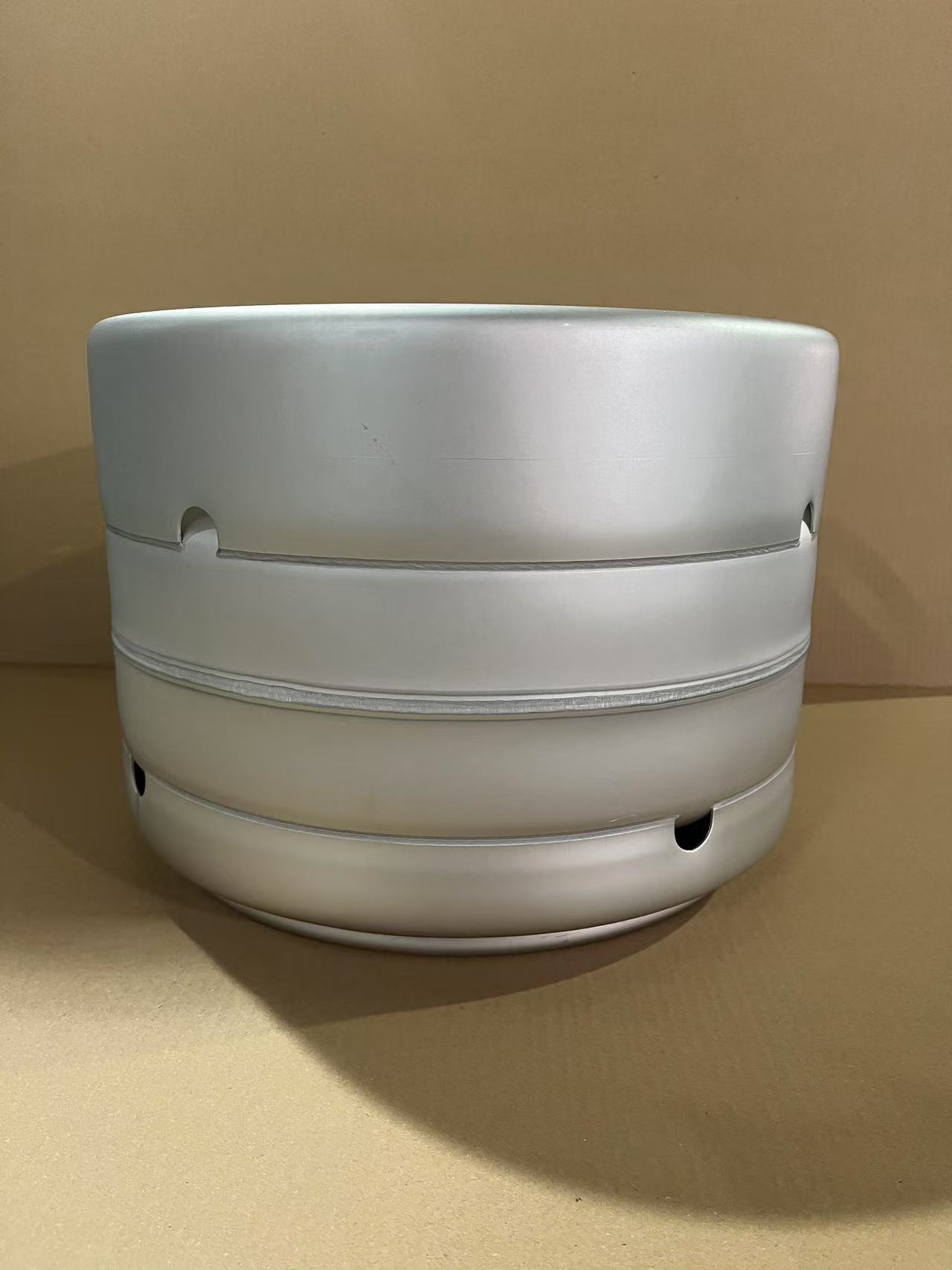
 Beer kegs are widely used for draft beer and other beverages in bars, restaurants, and distribution systems. While they may look simple from the outside, selecting the right beer keg involves several technical considerations that directly affect product quality and logistics.
Below are some basic points that are often overlooked in beer keg projects.
1. Keg material affects durability and hygiene
Most beer kegs are made from stainless steel, which offers good strength, corrosion resistance, and suitability for repeated cleaning and reuse.
Material quality is closely related to service life, cleaning efficiency, and overall hygiene standards in beverage applications.
2. Keg capacity impacts distribution efficiency
Common beer keg sizes include 20L, 30L, 50L and other standard formats.
Keg size selection affects not only transportation and storage efficiency, but also usage frequency at the point of sale.
Choosing the appropriate capacity helps reduce product waste and improve turnover.
3. Valve and fitting systems must be compatible
Different markets use different keg valve systems. Compatibility between the keg, filling equipment, and dispensing system is critical.
Using mismatched valves or fittings may lead to operational issues during filling or serving.
4. Cleaning and reuse are key design considerations
Unlike one-way packaging, beer kegs are designed for multiple reuse cycles.
Internal surface finish, weld quality, and structural design all influence cleaning effectiveness and long-term performance.
5. Early confirmation reduces operational risks
In practice, confirming keg size, valve type, and intended application at an early stage helps reduce later adjustments and operational problems.
⸻
This article is based on practical experience from
SIKUN IMPORT AND EXPORT (ZHANGZHOU) CO., LTD.
in projects related to beer kegs and beverage metal packaging.
From daily communication, many issues can be avoided by clarifying basic technical requirements at the beginning, rather than making changes after equipment and logistics are already in place.
Post time: Feb-02-2026