

In the global canned food industry, raw material quality is the foundation of product safety, consistency, and market competitiveness. Among various canned vegetables, canned mushrooms stand out as a product that is highly dependent on seasonal harvest conditions and careful raw material selection. The mushroom production season plays a critical role in determining texture, color, flavor, and overall quality, making seasonal sourcing a key advantage for reliable canned mushroom production.
By utilizing mushrooms harvested during the optimal production season and processing them under strict quality control systems, canned mushroom manufacturers are able to deliver stable, safe, and high-quality products that meet international food safety standards and the expectations of global markets.
The Importance of Mushroom Production Season
Mushrooms are a highly sensitive agricultural product, and their quality is closely linked to growing conditions such as temperature, humidity, and cultivation management. The main mushroom production season provides the most favorable natural conditions for mushroom growth, resulting in better shape, firmer texture, and more uniform size.
During peak season, mushrooms grow steadily and reach ideal maturity, making them especially suitable for canning. Compared with off-season production, seasonal mushrooms show better whiteness, lower defect rates, and more consistent physical characteristics. These advantages are essential for producing canned mushrooms that meet strict export requirements.
Seasonal harvesting also allows for large-scale, continuous supply, ensuring stable production schedules and reliable delivery for international orders.
Superior Raw Material Quality from Seasonal Harvests
The use of seasonal mushrooms offers clear advantages in raw material quality. Freshly harvested mushrooms from peak season typically feature: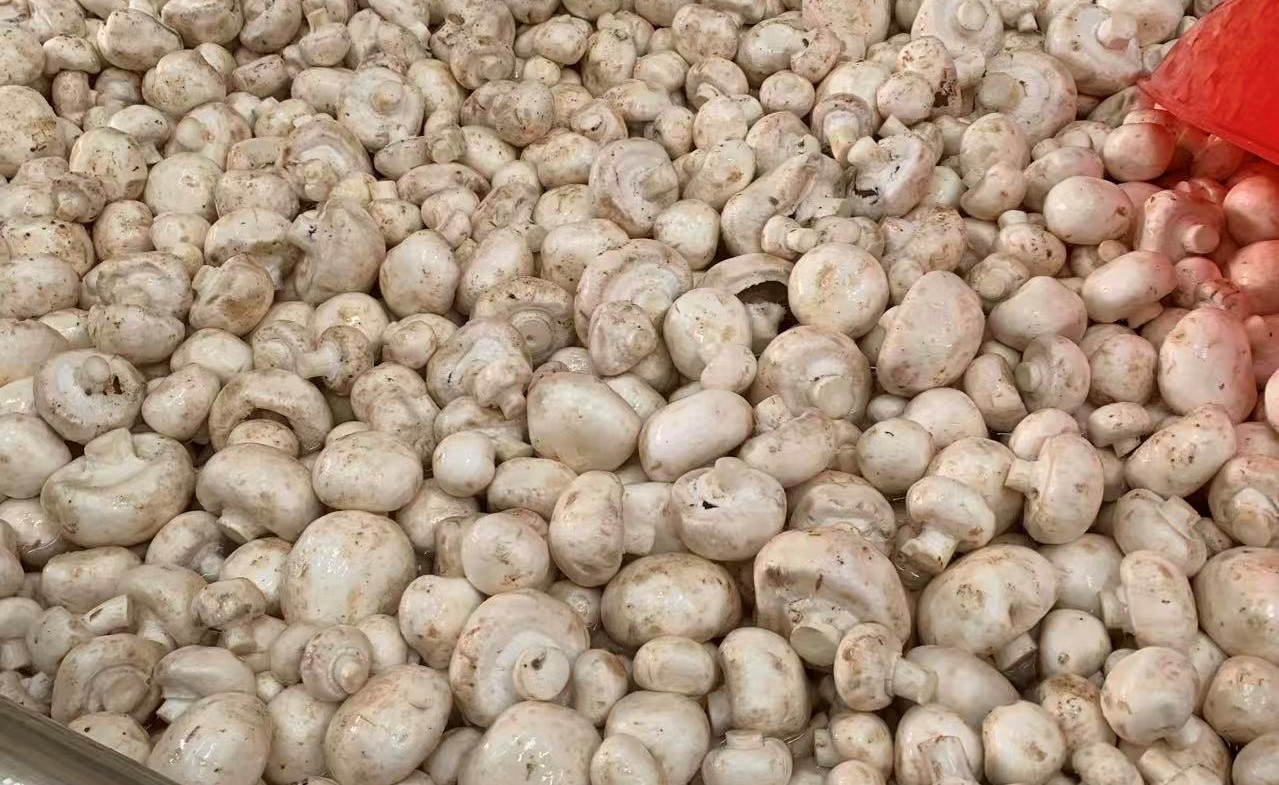
- Firm texture and good elasticity
- Uniform size and shape
- Natural color with minimal discoloration
- Lower moisture imbalance
- Reduced risk of mechanical damage
These characteristics directly affect the final quality of canned mushrooms. Firm mushrooms maintain their shape after processing, while uniform size ensures consistent appearance and drained weight. Natural color contributes to better visual appeal, which is an important factor for both retail and foodservice markets.
Strict raw material inspection ensures that only mushrooms meeting internal quality standards enter the production process. Mushrooms with defects, excessive maturity, or quality deviations are removed before processing, maintaining consistency across production batches.
Stable Supply and Production Planning Advantages
One of the key benefits of the mushroom production season is supply stability. During peak harvest periods, raw materials are available in sufficient quantity, allowing manufacturers to plan production efficiently and fulfill large export orders without interruption.
Stable supply supports continuous production, which improves process control and reduces variability. This consistency is especially important for international buyers who require long-term cooperation, stable specifications, and predictable quality.
Seasonal sourcing also helps reduce raw material cost fluctuations, enabling competitive pricing while maintaining quality standards.
Standardized Processing to Preserve Seasonal Quality
Once harvested, seasonal mushrooms are processed promptly to preserve freshness and natural characteristics. The production process follows standardized procedures, including washing, sorting, trimming, blanching, filling, sealing, sterilization, and cooling.
Rapid processing after harvest helps minimize quality loss and oxidation. Advanced equipment and controlled processing conditions ensure that mushrooms retain their texture and appearance throughout the canning process.
Sterilization parameters are carefully controlled to eliminate harmful microorganisms while preserving product integrity. This balance between safety and quality is essential for delivering premium canned mushrooms to global markets.
Strict Quality Control Throughout the Production Process
Quality control is implemented at every stage of canned mushroom production. From raw material reception to finished product inspection, multiple control points ensure that quality standards are consistently met.
During processing, key parameters such as filling accuracy, brine concentration, can seam integrity, and appearance are closely monitored. Production records are maintained for traceability and continuous improvement.
Finished products undergo comprehensive inspection, including visual checks, net weight and drained weight verification, and can integrity testing. Laboratory analysis and microbiological testing further confirm product safety and stability.
Compliance with International Food Safety Standards
Canned mushrooms produced from seasonal raw materials are manufactured in compliance with internationally recognized food safety management systems. These systems provide a structured approach to identifying and controlling potential hazards throughout the production process.
Compliance with international standards supports smooth market access and helps meet regulatory requirements in different regions. Regular internal audits and third-party inspections ensure that quality control systems remain effective and up to date.
For importers, this compliance provides confidence that products are safe, reliable, and suitable for long-distance trade.
Product Variety Supported by Seasonal Raw Materials
Seasonal mushroom availability enables a wide range of product options to meet diverse market demands. Common canned mushroom products include whole mushrooms, sliced mushrooms, and pieces and stems (PNS). Different grades and sizes can be selected depending on customer requirements.
Seasonal raw materials also support flexible specifications in terms of net weight, drained weight, and packaging formats. Products can be packed in standard tin cans, easy-open cans, or foodservice-sized containers.
Private label and OEM services further enhance flexibility, allowing customers to customize branding and packaging to suit local market preferences.
Advantages for International Markets
Canned mushrooms made from high-quality seasonal raw materials are particularly suitable for export markets. Their long shelf life, stable quality, and resistance to transportation challenges make them ideal for long-distance shipping.
For markets with limited cold-chain infrastructure, canned mushrooms offer a reliable alternative to fresh products. Their convenience and versatility make them popular in retail, catering, and food processing sectors.
Seasonal sourcing ensures consistent quality across shipments, helping importers build strong brand reputation and customer trust in their local markets.
Sustainability and Efficient Resource Use
Seasonal mushroom processing supports sustainability by maximizing the use of agricultural resources during peak production periods. By preserving mushrooms through canning at their best quality stage, producers help reduce food waste and extend product usability.
Efficient production planning during the season also improves energy and resource efficiency, contributing to more responsible manufacturing practices. Continuous improvement initiatives focus on optimizing processes while maintaining high safety and quality standards.
Building Long-Term Partnerships Through Seasonal Advantages
In international trade, long-term cooperation depends on reliability, consistency, and transparency. Seasonal raw material advantages allow canned mushroom producers to offer stable quality, clear specifications, and dependable supply.
By aligning production with the natural mushroom season and maintaining strict quality control systems, manufacturers can meet the expectations of global buyers and support sustainable business growth. This seasonal advantage strengthens trust and supports long-term partnerships across different markets.
Conclusion
The mushroom production season plays a vital role in ensuring high-quality raw materials for canned mushroom production. By sourcing mushrooms at peak maturity and processing them under strict quality control systems, canned mushrooms achieve superior texture, appearance, and safety.
Seasonal raw material advantages, combined with standardized processing and compliance with international food safety standards, make canned mushrooms a reliable and competitive product in global markets. As demand for safe, convenient, and stable food products continues to grow, canned mushrooms produced from seasonal harvests will remain an essential component of international food supply chains.
Post time: Dec-30-2025