

Metal cans are widely used for packaging products such as tomato products, beans, meat, seafood, and coconut milk. In practice, many packaging issues are not caused by price, but by inappropriate can type or specifications selected at the early stage.
Below are several basic points that are often overlooked in real projects.
1. Food characteristics determine can materialDifferent foods place different requirements on can materials. For example, high-acid products such as tomato paste usually require suitable internal coatings to prevent direct contact between the food and the metal. Beans and meat products, on the other hand, may have different coating requirements.Understanding the food type, pH level, and sterilization method helps reduce potential risks later.
2. Can dimensions must match the filling lineCan diameter and height affect not only volume, but also filling line stability. Even when the capacity is similar, cans with different heights or flange designs may perform differently on high-speed filling lines.Can specifications are usually confirmed based on both product volume and equipment compatibility.
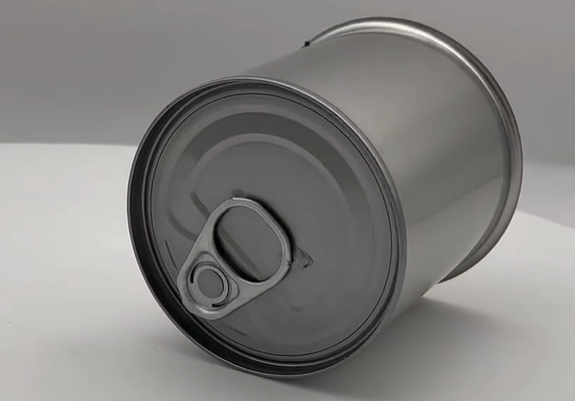
3. Lid structure affects sealing and sterilization performanceCommon metal lids include standard ends and easy-open ends. Different lid types vary in sealing method, opening performance, and resistance to sterilization conditions. Selection should be based on the target market and actual application.
4. Surface treatment is more about function than appearanceMany buyers focus first on printing or color. However, for food cans, surface treatment is mainly intended for corrosion resistance, durability, and transportation suitability rather than appearance alone.
5. Early communication reduces later adjustmentsIn practice, providing information such as food type, sterilization temperature and time, and target market at an early stage often helps reduce repeated sampling and unnecessary adjustments.
The above content is summarized from the practical experience of SIKUN IMPORT AND EXPORT (ZHANGZHOU) CO., LTD. in projects involving tin cans, aluminum cans, and matching lids for food packaging.
In daily communication, we often see that unclear application information at the early stage leads to repeated specification changes. Clarifying these basics in advance is usually more valuable than simply comparing prices.
Post time: Jan-09-2026